

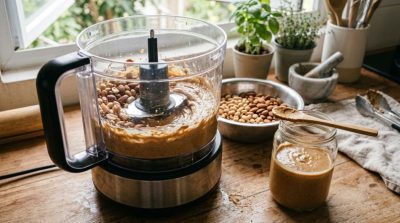
 Nut butter may seem like a simple food, but producing it involves interesting physical and chemical processes. Peanuts, almonds, cashews, and other nuts contain oils, proteins, fiber, and carbohydrates that respond to heat and mechanical processing. Understanding these processes provides a closer look at the science behind a familiar kitchen staple.
From Whole Nuts to Smooth Butter
See how:
Grinding Changes the Texture
Whole nuts have a solid structure. When they are crushed and ground, their cells break apart and release natural oils. Continued grinding reduces the size of the particles and creates a smoother mixture.
Natural Oils Play an Important Role
Nuts contain significant amounts of naturally occurring oils. As grinding continues, these oils become distributed throughout the mixture. This helps transform crushed nuts into a spreadable product.
The Role of Roasting
Check these out:
Heat Changes Flavor
Roasting can produce deeper aromas and flavors. Heat causes chemical reactions that create new flavor compounds and change the color of the nuts.
Different roasting temperatures and durations can therefore influence the final taste.
Texture Can Change Too
Roasting reduces moisture and alters the physical characteristics of the nuts. These changes can affect how easily they grind and how the finished butter feels.
Why Nut Butter Can Separate
Natural nut butter may sometimes develop a layer of oil on top. This happens because the oil can separate from the solid particles when the mixture sits undisturbed. Stirring redistributes the oil through the product.
Conclusion
Making nut butter is a practical example of food science. Grinding breaks down the structure of nuts and releases natural oils, while roasting changes flavor and texture through heat-driven reactions. The next time you spread nut butter on toast, you can appreciate the chemistry and physics behind its smooth consistency and rich flavor.